
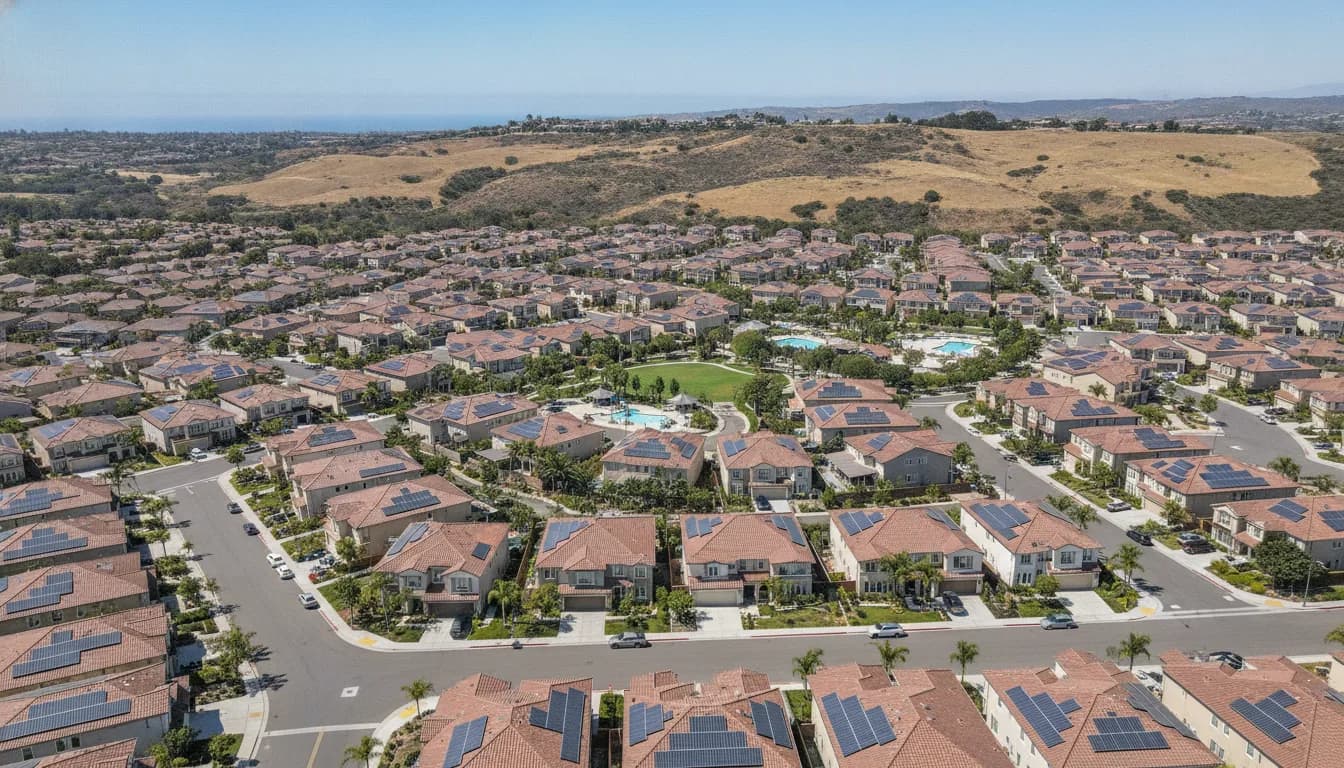
SCE Solar Guide: Net Metering, Rates & Interconnection in Orange County
Southern California Edison solar guide for OC homeowners: rate plans, NEM 3 exports, interconnection steps, and true-up bills explained.
Rate plans (TOU-D-PRIME, etc.)
Most new solar customers land on time-of-use rates where electricity costs more in evening hours. Solar offsets expensive imports when aligned with usage. Review your SCE rate on the bill header before modeling savings.
Get a free quote for your home →Interconnection steps
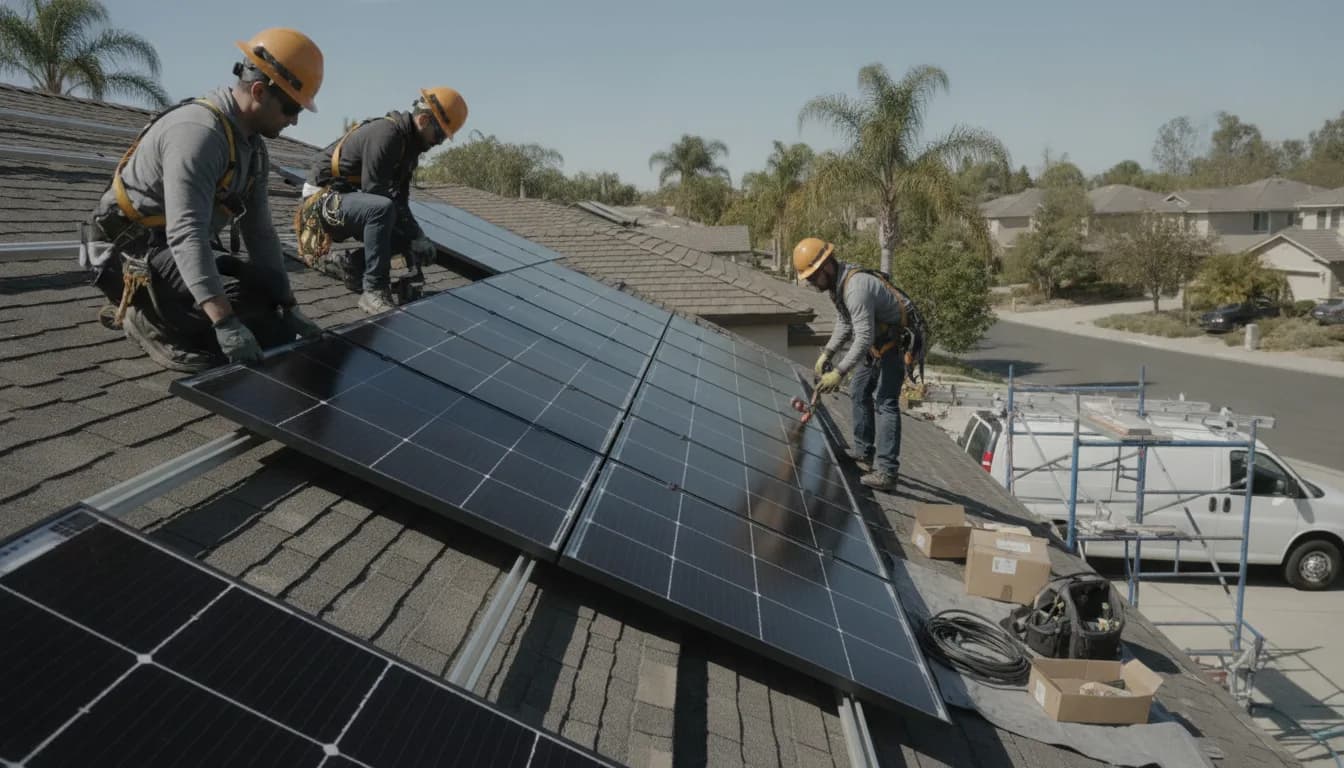
- Contract signed & design completed
- City permit issued
- Installation & inspection
- SCE application & review
- Permission to Operate (PTO)
 Get a free quote for your home →
PTO timeline
Expect weeks—not days—after inspection. Incomplete paperwork is the top delay. Licensed installers submit inverter specs, panel schedules, and interconnect forms correctly the first time.
 Get a free quote for your home →
True-up bill walkthrough
Annual true-up reconciles exports and imports. Under NEM 3 you may owe a small annual settlement even with solar if exports were undervalued and evening usage stayed high. Shift loads, add panels, or add selective storage.
See also our SCE net metering guide (2026) and Orange County solar services.
Related Articles
NEM 3.0 Explained: California Solar Guide 2026
Complete guide to California NEM 3.0 net metering. How export rates work, self-consumption strategies, and why solar still pays off under the new rules. SCE, PG&E, SDG&E.
Read More →SCE Net Metering Guide 2026: Everything You Need to Know
Complete guide to Southern California Edison net metering under NEM 3. How it works and how to maximize your savings.
Read More →
Solar Tax Credits in 2026: Homeowner and Business Rules
The homeowner credit ended for new installations after 2025. Read official IRS sources and compare business incentives separately.
Read More →